
Now Reading: Pink Strings and Open Fields
-
01
Pink Strings and Open Fields


Article by Young N’ Loud Magazine
The Unapologetic Rise of Stella Lain
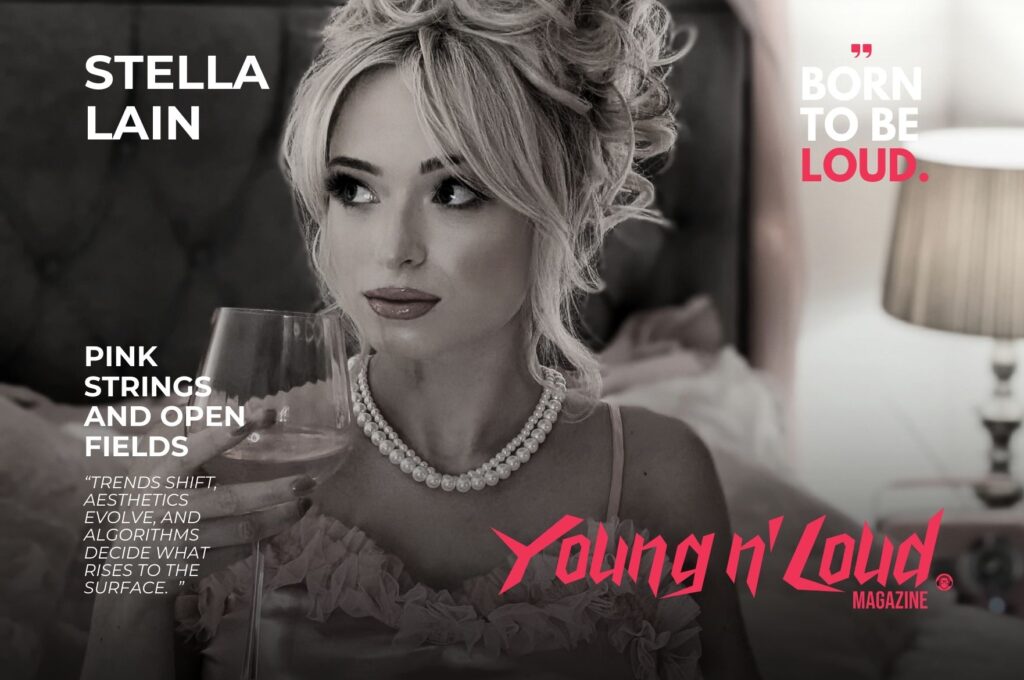
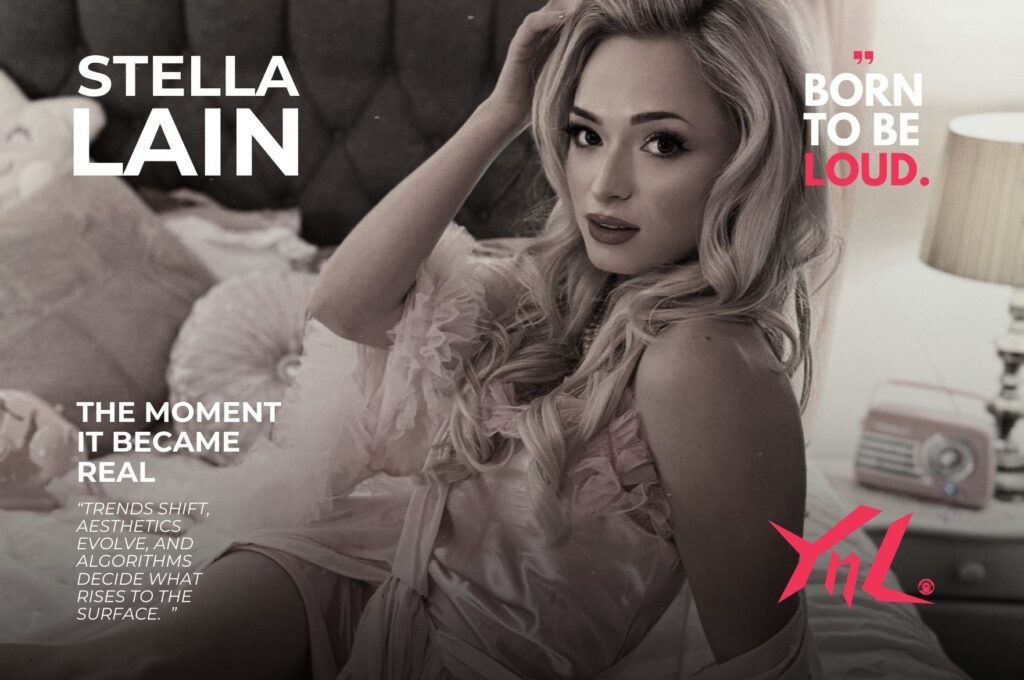
In the vast landscape of modern country music, authenticity stands as the rarest currency. Trends shift, aesthetics evolve, and algorithms decide what rises to the surface. Yet every so often, an artist emerges who does not chase the moment but instead embodies it. Stella Lain is one of those artists.
She describes herself as the Country Barbie singer songwriter, bringing country music with a touch of pink glitter and a whole lot of confidence. The phrase sounds playful at first glance. Spend time with her story, however, and it reveals something far more grounded. Stella Lain does not perform a persona. She lives it.
Her journey did not begin with industry connections or talent show circuits. It began in a quiet corner of Norfolk in the United Kingdom, in a landscape filled with open fields, tractors, and long country roads. From those rural roots, she built a sound that feels both deeply traditional and distinctly her own.
This is not a story about statistics. It is a story about identity, resilience, and the power of refusing to shrink.
Before the Spotlight
Long before streaming platforms and festival stages, there was a little girl who could sing before she could speak. Stella Lain’s parents noticed it immediately. Music did not enter her life as a hobby. It arrived as instinct.
At the age of two, she stepped onto a stage for the first time. Most children would not remember that moment. She does. She recalls the feeling of standing in front of an audience and sensing, with unusual clarity, that this was where she belonged.
By six, she had written her first song. It was about springtime. She performed it for her nan on a tiny keyboard she barely knew how to play. The melody may have been simple. The chords may have wandered. Yet something clicked. Her nan’s smile sealed it. That encouragement never faded.
At ten, she taught herself guitar. She practiced until her fingers burned. She wrote songs every single day. Not occasionally. Not when inspiration felt convenient. Daily. Even then, discipline shaped her artistry.
Looking back, she recognizes that performing always lived inside her. She copied Kylie Minogue routines in her bedroom. She pretended to play instruments. She sang at full volume whenever she could. The passion never required permission.

A Sound Rooted in Soil
Norfolk does not resemble Nashville or Los Angeles. It carries its own quiet rhythm. Stella Lain grew up surrounded by countryside, farmland, and the kind of stillness that allows stories to breathe.
Her grandad introduced her to country music. That early exposure created a bond that never broke. While her parents embraced a wide range of genres, the country felt like home. The storytelling, the emotional honesty, the layered instrumentation all mirrored the landscape around her.
Country music carries narrative weight. It invites listeners into a lived experience. For Stella Lain, that storytelling tradition aligns naturally with her environment. The open fields of Norfolk echo in her melodies. The grounded simplicity of rural life shapes her lyrical perspective.
She does not treat country music as a costume. She treats it as a language.
The Moment It Became Real
Every artist experiences a turning point. For Stella Lain, it arrived in a living room.
She played one of her earliest original songs for her parents. Her mother listened closely and then said something that changed everything. For a brief moment, she thought the song belonged to Taylor Swift.
That comparison did not inflate her ego. It confirmed the possibility. If her songwriting could evoke that level of professionalism and relatability, then perhaps this dream held substance.
Soon after, she performed in front of her school. The applause felt electric. It did not validate her talent alone. It affirmed her direction. In that instant, she stopped asking whether she should pursue music and started asking how far she could take it.
Identity Crisis and Clarity
Not every chapter unfolded in pink glitter.
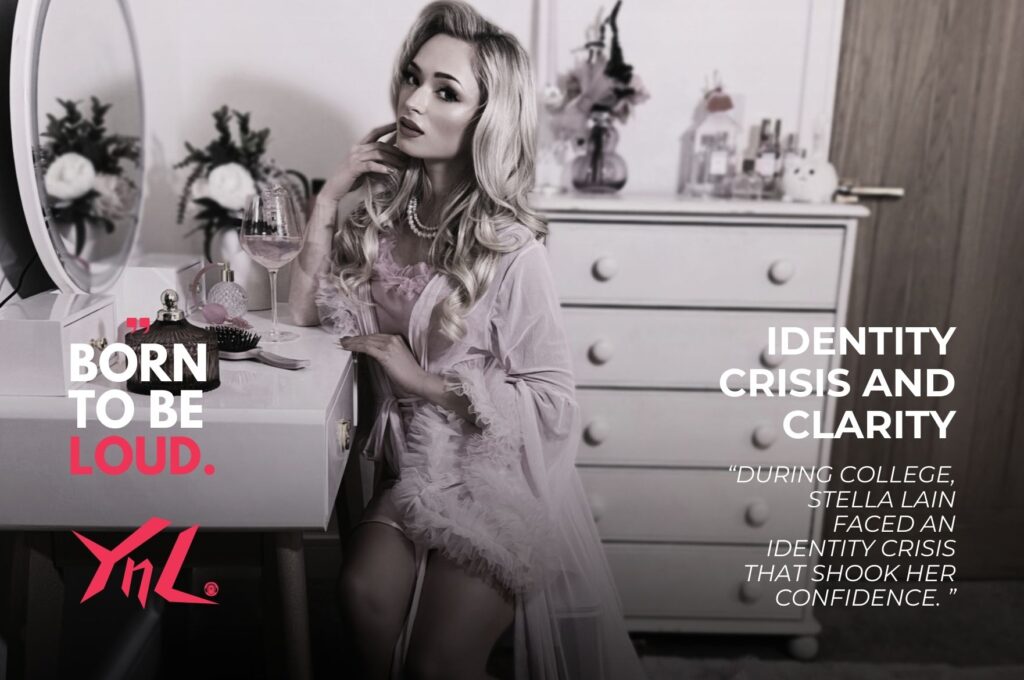
During college, Stella Lain faced an identity crisis that shook her confidence. She had survived school bullies. She had endured doubt. Yet losing a sense of self felt more destabilizing than any external criticism.
She began to hide parts of herself. She stopped wearing pink. She worried that boys would not take her seriously if they knew she wrote songs. She feared being labeled immature. She tried to make herself smaller.
For years, she felt different. Simple tasks challenged her while complex ideas came easily. She struggled to sleep. She searched constantly for new stimulation. People suggested anxiety or distraction.
Eventually, she received an ADHD diagnosis. Everything aligned. The confusion transformed into understanding. She realized she had not treated herself with enough compassion.
That clarity changed her trajectory. She embraced her quirks. She returned to pink. She stopped concealing her songwriting. She recognized that her difference was not a flaw. It was creative fuel.
Now, when she calls herself a pink songwriting country Barbie, she does so with conviction.
Country with a Touch of Pink
Ask Stella Lain to define her music without genre labels and she smiles. She calls it country music with a touch of pink.
Pink, in her world, represents more than color. It symbolizes confidence, femininity, and playful strength. It nods to Barbie, an icon she views not as a doll but as a cultural emblem of possibility.
That influence seeps into her artistry. Some songs carry a sparkle. Others reveal softness. Still others explore bitterness beneath sweetness. If her music had a flavor, she says it would taste sugar sweet with a hint of something sharp underneath.
A banjo often anchors her sound. She adores its tone. She finds it beautiful and oddly satisfying. Listeners will notice it immediately. It forms part of her sonic signature.
Her slogan, Paint the Town Pink, reinforces that identity. She integrates pink into every outfit. It has become visual branding, personal philosophy, and stage presence all at once.
Crafting the Song
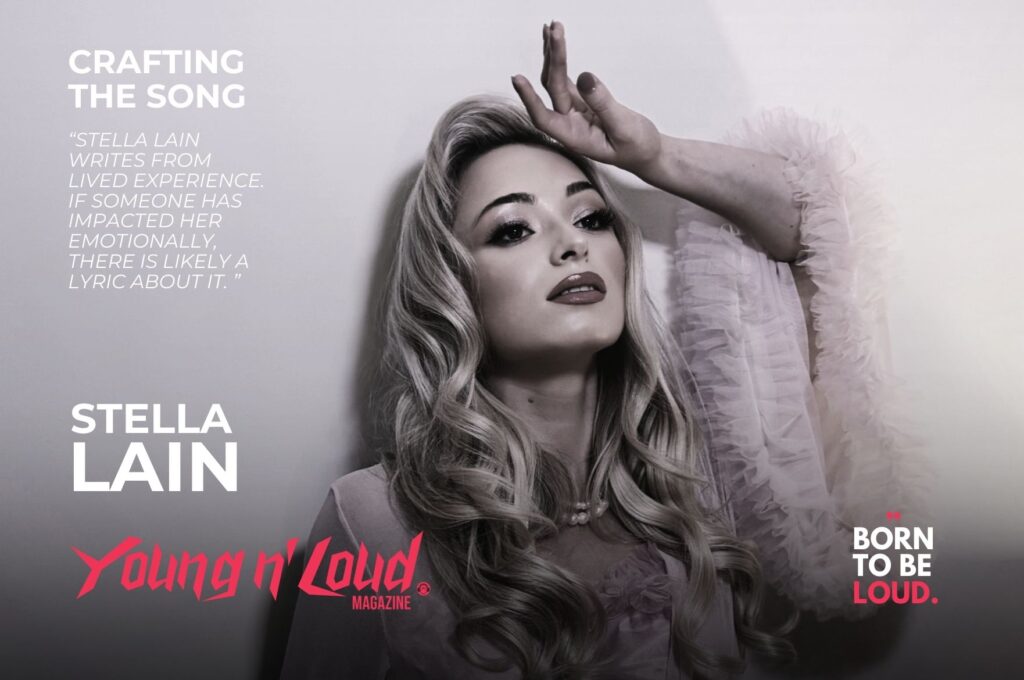
Stella Lain writes from lived experience. If someone has impacted her emotionally, there is likely a lyric about it. That honesty defines her creative process.
Sometimes she begins with chords. Sometimes lyrics arrive first. Occasionally melody and narrative emerge together. She allows inspiration to dictate structure.
She believes music carries feeling while lyrics carry meaning. In production, she often hears instruments in her head before stepping into the studio. Collaboration with producers who understand her vision helps transform those internal sounds into polished recordings.
Recording her debut single Sun kissed marked a milestone. In the studio with vocal engineer Edd Sargisson, she listened as layered vocals blended with instrumentation. The moment gave her chills. A song that once lived in her notebook now existed in the world.
Breaking the Box
Critics sometimes misjudge her aesthetic. They see pink and assume superficiality. They hear confidence and assume calculation.
She rejects that narrative.
Her songs draw from personal growth, heartbreak, resilience, and kindness. Tracks like The Problem explore how perspective shifts as you mature. Mean people, she suggests, often act from insecurity. Another unreleased track, Obsessed, addresses those who fixate on negativity.
Kindness remains her core value. She believes strength lives within empathy. If listeners walk away from her music feeling more confident or more compassionate, she considers that a victory.
Momentum and Milestones
Since debuting last May, Stella Lain has experienced rapid progress. She performed at the Country Calling Festival on the back of a vintage pickup truck. She opened for Ryan Evans and Chanel Yates. She took the stage at The Bedford in London alongside accomplished songwriters.
BBC Introducing featured her debut single. She received Female Artist of the Year from the Shout Out Pod. Upcoming festivals include Summer in Nashville and Country on The Coast.
These achievements matter. Yet she defines success more personally. Releasing her music fulfilled a lifelong dream. Believing in herself enough to share it publicly counts as triumph.
Beyond the Stage
When she steps away from microphones and lights, Stella Lain returns to nature. She walks through the countryside, along beaches, through woods, or around Norwich. She paints. She sews dresses. She bakes while music plays in the background.
Before performing, she drinks fruit tea with honey. She warms up her voice. She repeats positive affirmations. She believes mindset shapes outcome.
That ritual grounds her. It reminds her why she started.
The Next Chapter in Glitter
Her latest release, Out Of My Hair, arrived with a home recorded video filmed in her own house. She plans multiple new singles this year and is developing another EP.
Dream collaborations stretch from fashion to music. She imagines a pink rhinestone cowboy boot collection with Lane Boots. She envisions a Stella Lain Barbie created with Mattel. Musically, she admires Emily Ann Roberts, Ed Sheeran, and one day hopes to collaborate with Taylor Swift.
Ambition does not intimidate her. It motivates her.
A Voice That Chooses Kindness
Stella Lain stands at an intersection of rural tradition and modern femininity. She does not dilute her personality to fit expectations. She amplifies it. Her legacy, she says, should sound like more pink and more banjo. In a music industry often obsessed with reinvention, Stella Lain offers something more enduring. She offers self acceptance. She invites listeners to embrace who they are without apology.
Music keeps her young. Music keeps her loud. And somewhere in Norfolk, beneath open skies and endless fields, a banjo rings with glittering confidence, carrying her story forward.