
Now Reading: When the Algorithm Demands a Personality Before It Hears a Song –
-
01
When the Algorithm Demands a Personality Before It Hears a Song –


Independent musicians once built their reputations through gigs, word of mouth, and if they were lucky, being picked up by radio or magazines. Now, the emphasis is on the artist to promote themselves by pointing a phone camera at their face several times a week and pretending they feel comfortable about it.
Somewhere over the last decade, the independent artist absorbed the duties of a lifestyle influencer because releasing music alone rarely sustains visibility. Artists are now expected to narrate their lives through reels, post running commentaries on their creative process, and maintain a personality brand strong enough to keep an algorithm interested.
Due to the speed of the shift in the industry, many musicians barely question how visibility now relies on content cadence as much as artistic merit. A songwriter who releases a brilliant track twice a year risks disappearing behind someone who uploads daily snippets of personality, humour, or self-aware vulnerability.
This arrangement works perfectly for musicians who enjoy performing themselves as much as their music. For the the more introverted artists who entered the field because music allowed them to speak without being watched, the industry now feels like a fluorescent-lit stage they never agreed to stand on.
The Independent Artist Has Been Recast as a Content Creator
Scroll through the average musician’s social feed and the pattern becomes obvious. Studio footage. Casual commentary. Relatable jokes about songwriting. Clips of unfinished demos. Quick updates about life, coffee, gear, or existential crises.
The music itself occasionally appears like a supporting character in its own promotional campaign.
Social platforms were originally framed as tools that democratised exposure for independent musicians. In theory, they removed the gatekeepers and allowed artists to reach audiences directly. In practice, they replaced the gatekeepers with an algorithm that demands constant constant input from the artist.
Consistency now matters more than scarcity. The artist who posts daily sits comfortably inside the system. The one who surfaces occasionally with a polished piece of music risks being treated like an inactive account.
What once felt like artistic independence now resembles a part-time broadcasting job.
The Quiet Artists Who Never Asked for the Spotlight
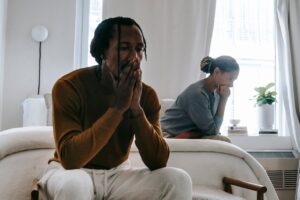
For introverted musicians, this expectation borders on cruel irony. Many people are drawn to music precisely because it allows expression without the pressure of constant social performance. A tortured artist can’t easily become a performing monkey. Yes, artists perform their music, but for some playing to a room of 1000 people is easier than talking to one person. Social anxiety racks more musicians than you’d think. The skin of a salesman is uncomfortable for most artists who just want to create and communicate through sound.
Independent artists can lock themselves away for months, attempting to convey feelings too complicated for conversation through sound, but that toil is far less painless than looking into their front camera and recording a video message pleading with people to pay attention to their latest gig or release. The current system is set to priviege the salesman over the savant, so, is it any wonder the modern music industry is so warped by superficiality?
There’s nothin wrong with how some musicicians possess the confidence of performers who enjoy direct visibility. Some artists genuinely thrive in front of a camera and cultivate loyal communities around their personality. The problem appears when personality broadcasting becomes the baseline requirement for being noticed at all.
The industry has never been a meritocracy, but the algorithm has mechanised and amplified the imbalance.
Why Are People So Desperate to Be Influenced?
The influencer economy rests on a peculiar psychological foundation. People claim to value independence, yet they follow strangers online for cues on taste, identity, and lifestyle.
Music once filled that cultural function through scenes rather than individuals. Punk, grime, indie, and electronic communities shaped identity collectively. The energy came from shared spaces, not from a single figure broadcasting guidance through short-form video. Social media shifted that dynamic, leading the chronically online to be more interested in aesthetics than culture, which now arrives through tastemakers who package personality, aesthetics, and opinion for other people to assimilate.
Fans now follow musicians partly for their music and partly for a sense of parasocial proximity and to reinforce their aesthetic identity. Watching an artist narrate their day or react to their own demo offers the illusion of connection. A carefully curated connection, because authenticity has become another thing to rehearse for artists.
The Performance of Authenticity
Modern music marketing is collapsing into a paradox; audiences crave authenticity while simultaneously interacting with platforms that reward highly performative behaviour.
Artists learn quickly which gestures trigger engagement; think along the lines of slightly vulnerable confessions, self-aware jokes about how “the struggle is real”, the casual snippet that looks spontaneous but required three attempts and decent lighting.
Soon enough, authenticity becomes a format.
When musicians begin shaping their behaviour around what performs well online, their artistic identity can blur into a marketing persona. What’s infinitely more messed up is that instead of documenting creativity, artists produce scenes designed to resemble creativity.
If the Influencer Bubble Bursts
Cultural bubbles rarely last forever. Audiences eventually tire of formats that feel repetitive or artificially intimate. Signs of fatigue already flicker across social media. Endless reels with identical pacing and punchlines begin to blend into a single blur.
When everything performs authenticity in the same way, nothing feels particularly authentic.
If that fatigue deepens, a shift in listening culture may follow. People could begin searching again for artists whose presence revolves around music rather than personal broadcasting.
Introverted musicians might find themselves unexpectedly well-positioned for such a shift. Their reluctance to treat life as constant content could become a form of credibility.
Article by Amelia Vandergast