
Now Reading: Harmony in Stereo: How Two Sisters Are Rewriting Modern Pop from New York
-
01
Harmony in Stereo: How Two Sisters Are Rewriting Modern Pop from New York


By Young N’ Loud Editorial Team
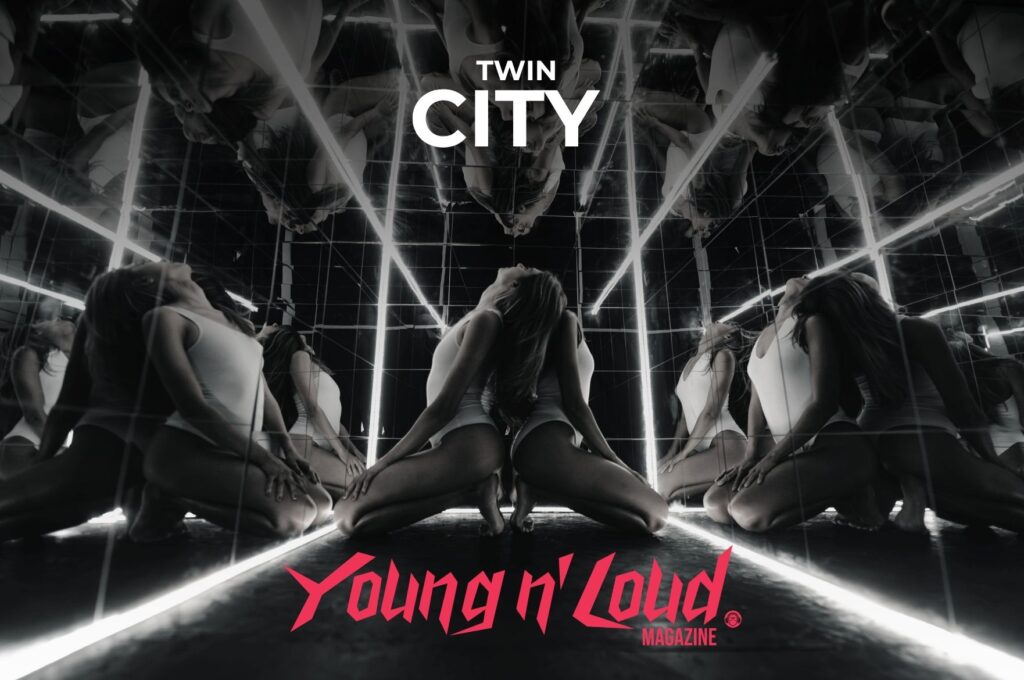
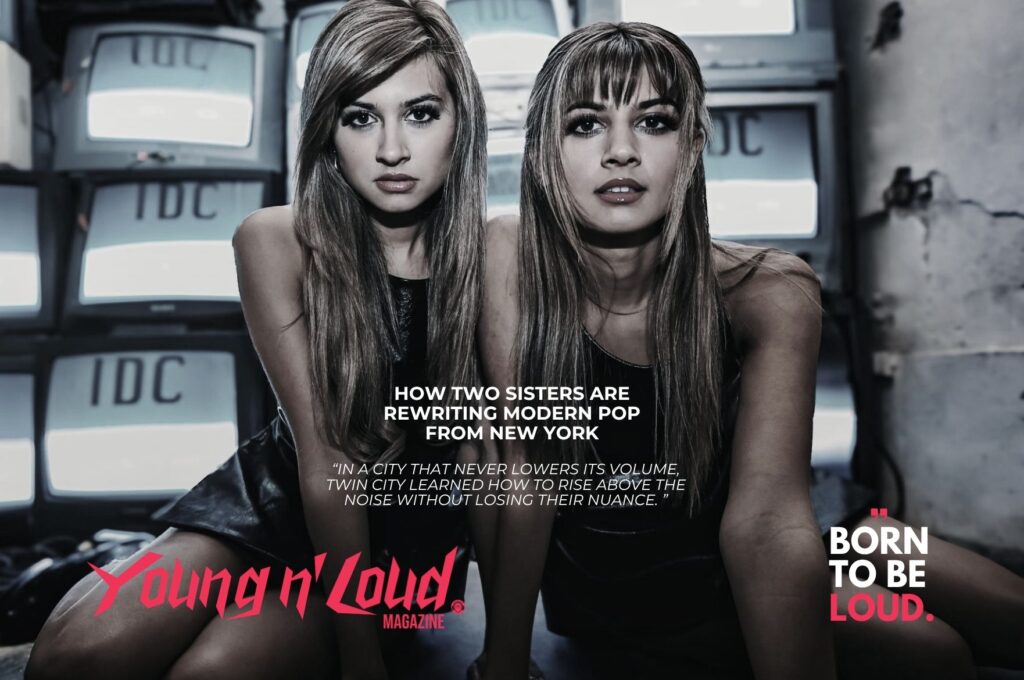
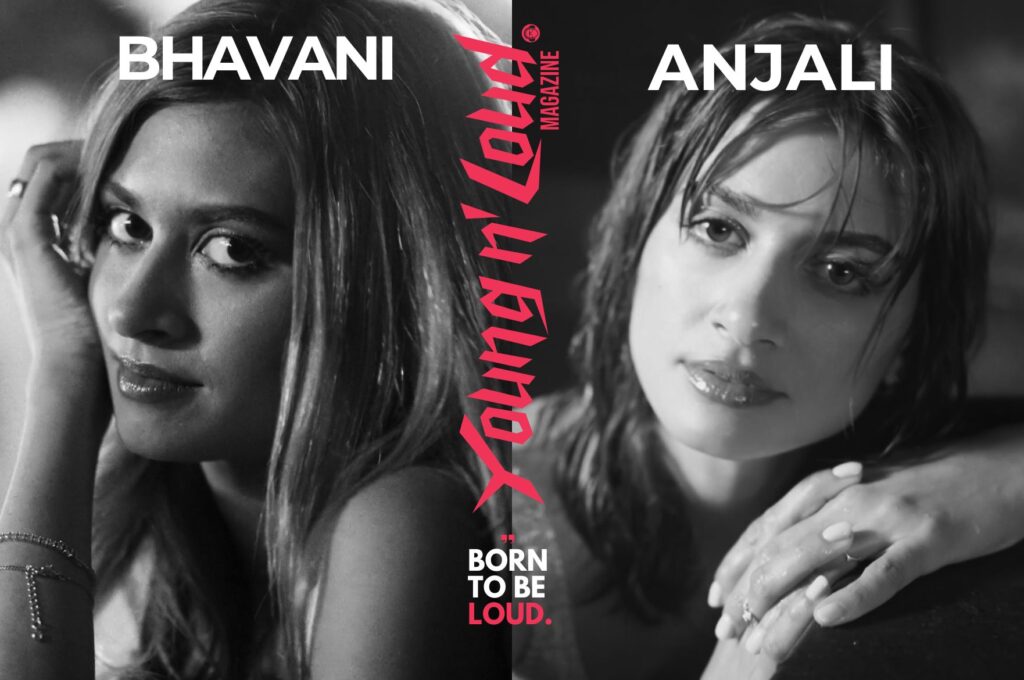
In a city that never lowers its volume, Twin City learned how to rise above the noise without losing their nuance. Anjali and Bhavani, real life twin sisters born in New York City and raised in White Plains, have built a pop identity that feels both cinematic and intimate. While the industry often chases viral moments, they chase alignment. While trends shift weekly, they refine craft daily.
Twin City does not rely on spectacle alone. Instead, the duo constructs melodic architecture rooted in harmony, discipline, and instinct. Their music carries the pulse of 2000s and 2010s dance pop, yet it resists nostalgia traps. Moreover, their songwriting leans into longing, layered emotion, and atmosphere, all while delivering hooks that linger long after the final chorus fades.
For musicians, artists, and serious pop listeners, Twin City represents something compelling. They understand the mechanics of pop music, but they also understand its emotional weight.
Beginnings in Unison: Childhood, Training, and the First Spark
Long before they became Twin City, Anjali and Bhavani were simply two five-year old’s singing “Dancing Queen” by ABBA in their living room. Disney duets followed. Then came the defining wave of 2000s pop. Artists such as Britney Spears, Lady Gaga, Katy Perry, Kesha, and Rihanna shaped their early understanding of mainstream sound and performance scale.
However, influence alone does not build technique. Their mother, recognizing raw potential beneath shyness, quietly orchestrated their first vocal lesson. She knew they might resist out of fear, so she maneuvered strategically. That decision changed everything.
As teenagers, they studied vocalists such as Ariana Grande, Christina Aguilera, and Demi Lovato, analyzing runs, breath control, resonance, and agility. Meanwhile, they joined choirs, glee clubs, and talent shows. They even enrolled in songwriting courses.
Yet for years, music remained adjacent to ambition rather than central to it. They pursued academic paths, attended NYU, and entered the workforce in wealth management. On paper, the trajectory looked stable. Under their desks, however, they drafted lyrics during lunch breaks.
The turning point did not arrive with fanfare. It arrived with a microphone.
The Mic That Changed Everything
One afternoon after work, Anjali walked into Best Buy and purchased a plug-in microphone without announcing the decision. That quiet act signaled commitment. At first, even creating an Instagram page felt intimidating. Still, they pushed forward.
Then the world paused in 2020.
During lockdown, while uncertainty dominated headlines, Twin City recognized opportunity. If the industry could not move physically, it could move digitally. Consequently, they began posting four videos a week. They taught themselves GarageBand basics. They filmed on iPhones. They were edited in iMovie. They experimented with harmonies, covers, and original melodies.
Gradually, producers from around the world reached out. Collaborations formed across time zones. A year later, they released their first original EP, Lately, in 2021 alongside fellow NYU alumni. For the first time, they heard their voices professionally processed, mixed, and mastered.
The reaction felt electric. They realized they could build something tangible.
Identity in a Name: The Meaning of Twin City
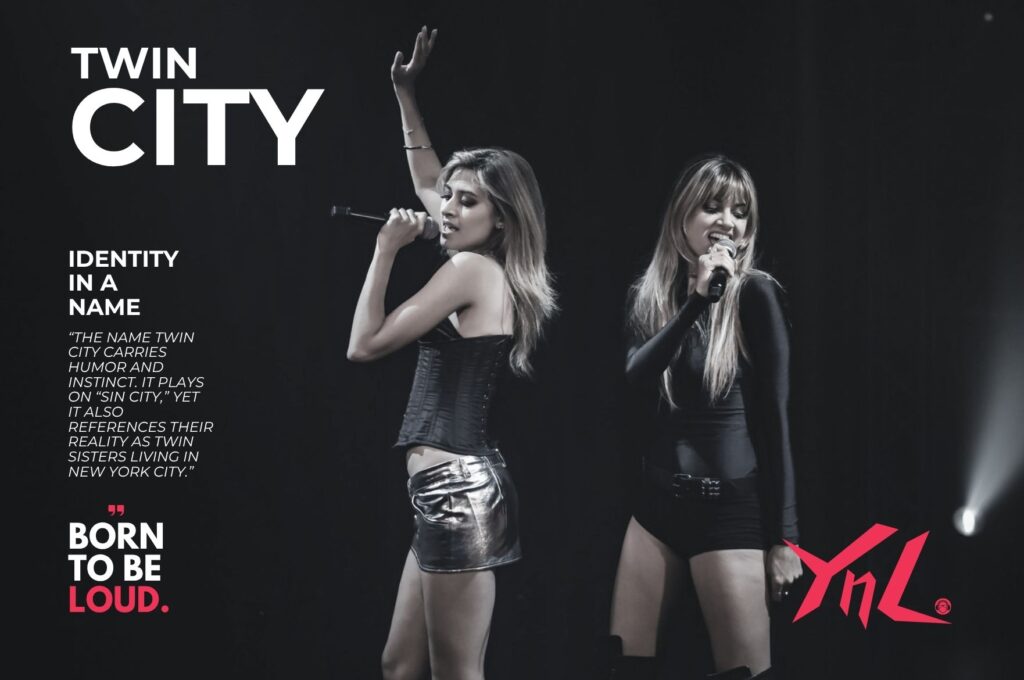
The name Twin City carries humor and instinct. It plays on “Sin City,” yet it also references their reality as twin sisters living in New York City. Although some listeners assume a connection to Minnesota’s Twin Cities, Anjali and Bhavani simply laugh at the coincidence. More importantly, the name reflects duality. Two voices. Two perspectives. One cohesive sound. That cohesion defines their brand.
Sonic Architecture: Crafting Modern Pop with Depth
When asked to describe their music without genre labels, they offer four words: catchy, upbeat, cinematic, nuanced. Each term matters.
Catchy speaks to hook construction. Upbeat signals rhythmic drive. The cinematography reveals their commitment to the atmosphere. Nuanced acknowledges emotional layering.
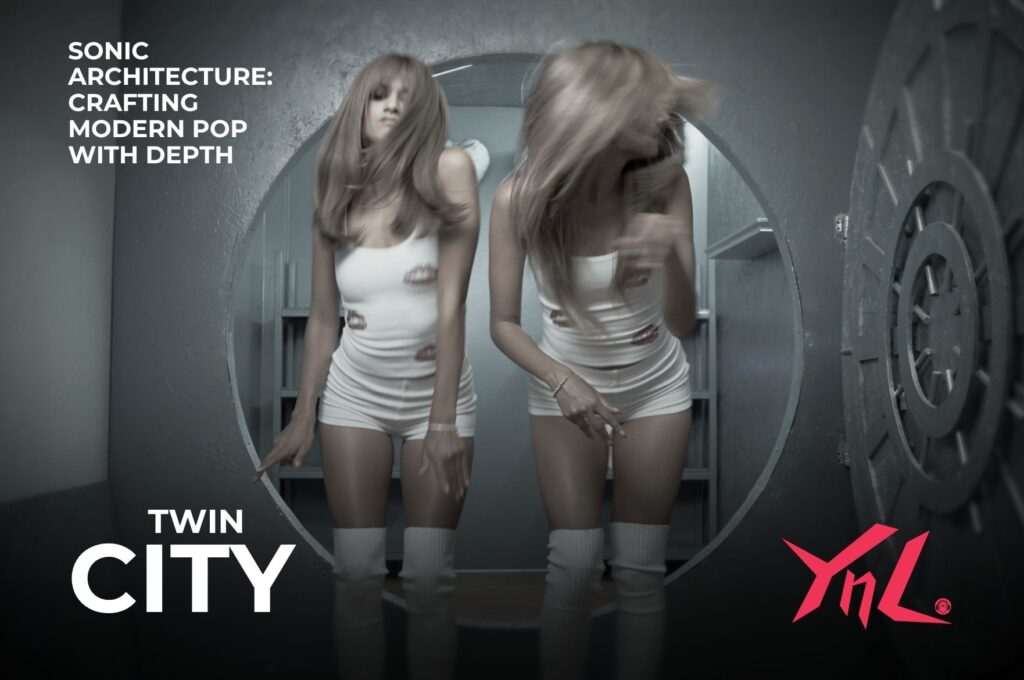
Their signature lies in their vocal blend. Because they share identical DNA, their timbres align naturally. However, subtle stylistic differences create texture. One might lean into softness while the other sharpens articulation. Together, they stack harmonies, build vocal pads, and layer ad libs to create immersive soundscapes.
That approach places them within a lineage of bold pop innovators such as Lana Del Rey and Billie Eilish, artists who carve unique lanes rather than chase formulas. Twin City studies those blueprints carefully. Then they redraw them.
Cultural Crosscurrents: A Global Lens on Pop
Born in New York City, raised in White Plains, and educated at the German International School New York, Anjali and Bhavani grew up navigating multiple cultural frameworks. Their father is Indian. Their mother is German. At school, they moved fluidly between languages and perspectives.
Although their discography does not anchor itself to a single culture, traces emerge organically. They have incorporated German and French into projects. They perform Spanish covers live. Some listeners describe their sound as reminiscent of 2000s Europop. Rather than reject that association, they reinterpret it.
Living in New York City sharpens their competitive edge. Every subway platform features talent. Every venue hosts ambition. That environment reinforces discipline. In such a saturated market, authenticity becomes a strategy.
Milestones and Momentum: From Lately to Ignition
Releasing Lately in 2021 marked a defining chapter. It captured an early phase influenced by Ariana Grande inspired pop and R and B inflections. Subsequently, they pivoted toward 1980s inspired synth textures for their 2023 EP Ignition.
However, evolution rarely follows straight lines. Over time, they stopped attempting to fit into prescribed categories. Singles such as Nightstand, Prince, Victoria’s Secret, Over, and Can’t Stop Thinking About It reveal a 2000s and 2010s dance pop energy filtered through contemporary production choices.
Growth also occurred visually. They learned pre-production logistics, location scouting, styling, and on set coordination while filming early music videos. Each release strengthened their autonomy.
Rejection, Reset, and Resilience
No serious music career unfolds without friction. Twin City encountered their share.
Early on, they trusted industry figures who promised acceleration but delivered misalignment. Eventually, they severed those ties and rebuilt from scratch. That reset felt frightening. Nevertheless, it restored creative control.
Another pivotal moment arrived during Season 22 of American Idol. The duo secured a live audition in front of Katy Perry, Luke Bryan, and Lionel Richie. Despite significant preparation, they did not advance, and the audition never aired.
Instead of internalizing rejection, they reframed it. They chose pride over doubt. That decision strengthened their internal compass. Validation, they realized, must begin within the project itself.
On Stage: The Electricity of Real Time Connection
Live performance reveals the truth. In February 2026, Twin City delivered a show at Berlin Under A in New York City that shifted something internally. Emotion flowed differently. Audience engagement deepened. They felt aligned with the moment rather than chasing it.
Similarly, a recent open mic in Somerville, New Jersey left a mark. During the pre-chorus of Electric Heartbeat, Anjali nearly lost her composure because the audience responded so enthusiastically. That reaction crystallized purpose.
Stage presence, after all, cannot be simulated in rehearsal rooms.
Beyond Aesthetic Nostalgia
Some listeners label them as “so 90s.” The twins question that shorthand. They acknowledge nods to 2000s and 2010s fashion and sound, yet they resist being boxed into retro revival. Instead, they blend nostalgic hooks with futuristic textures.
Their music often explores longing, questioning, fantasy, and emotional introspection. Songs such as Fantasy Love draw imagery from nature, celestial bodies, and dreamlike states. That poetic layer differentiates them from purely trend driven pop acts.
Moreover, they champion the return of the bridge. In an era where streaming algorithms favor brevity, Twin City advocates structural richness. Not every song requires a bridge, they admit. Still, when a bridge elevates narrative tension, they embrace it.
Life Offstage: Grounding the Dream
Outside the studio, they anchor themselves through family, exercise, nature, and small rituals. They search for the best coffee in New York. They explore thrift stores. They take restorative trips, including a recent snowmobile adventure through Yellowstone National Park.
Before recording sessions, they often adopt a subtle character mindset. After watching Daisy Jones and The Six, they absorbed its emotional textures into their performance approach. When they recorded Fantasy Love, memories of Maui sunsets and Santa Barbara coastlines colored their vocal delivery.
If their music carried colors, they would choose pink, purple, and dark blue. Mystique meets femininity. The atmosphere meets clarity.
Vision Forward: Collaboration and Global Reach
Currently, Twin City works on multiple new singles with diverse producers and songwriters while performing actively throughout New York City. They envision collaborations with Billie Eilish and Finneas, whose creative partnership redefined minimalist pop production. They also imagine an intriguing fusion with The Weekend, blending their harmonies with his cinematic darkness.
Success, in their framework, begins with authenticity. They measure achievement by the music they genuinely love and believe in. Down the line, they plan to tour globally and connect with expanding audiences. However, scale means little without substance.
The Twin Frequency
Twin City thrives because two sisters share one vision. They challenge each other. They divide responsibilities naturally. Anjali leans into rebellion. Bhavani embodies the dreamer. Together, they balance ambition with practicality.
If asked to summarize themselves in one compelling sentence, they answer confidently: twin sisters in New York City making melodic, catchy pop bangers.
If asked what song they would send into space as a message from Earth, they choose Fantasy Love. Its references to the moon, the sun, the sky, and the stars link cosmic wonder with human yearning.
In a music industry driven by rapid cycles and fleeting virality, Twin City builds deliberately. They honor harmony. They refine craft. They chase emotional truth. And in doing so, they remind us what pop music can feel like when two voices move as one.