
Now Reading: Indie Basement (5/22): the week in classic indie, alternative and college rock
-
01
Indie Basement (5/22): the week in classic indie, alternative and college rock


Happy Memorial Day Weekend everyone! As usual on a Friday before a holiday, there aren’t a lot of new releases today and I review three, including the second solo album from Radiohead‘s Ed O’Brien, plus the latest from Visible Cloaks and Marbled Eye.
For this week’s Indie Basement Classic, I look back at my favorite albums of 2006 on its 20th birthday.
Over in Notable Releases, you can read about Lowertown, Thomas Dollbaum, JPEGMAFIA, Hyd and more.
On this week’s episode of BV Interviews, my guest is living legend Robyn Hitchcock.
Have a great weekend, everybody. This week’s reviews are below…
Ed O’Brien – Blue Morpho (Transgressive)
The Radiohead guitarist finds his own voice on his warm, immersive second solo record
Radiohead guitarist Ed O’Brien released his debut solo album under the moniker EOB in April 2020. Like a lot of records unlucky enough to come out during the height of the pandemic, Earth seemed to immediately disappear into the ether, but it also felt like it was made more for Radiohead fans than for himself. Not so with Blue Morpho, released under his own name, an incandescent creation that, while sharing some DNA with the band he’s been in since he was a teenager (how could it not?), exists in its own ecosystem.
Blue Morpho was made following a year-long bout with depression that O’Brien worked through with a strict daily regimen of making music, cataloging ideas, and taking walks through the woods surrounding his new home in rural Wales, eventually emerging with a handful of songs. He tapped friend and megaproducer Paul Epworth (Adele, Florence + the Machine) to help realize them and enlisted a wide variety of talented players, including Shabaka Hutchings (on flutes tuned to 432 Hz, a supposed “heart chakra” frequency), The Invisible’s bassist Dave Okumu, drummers Dan See and Radiohead’s Phil Selway, and Estonian composer Tõnu Kõrvits, who provided lush string arrangements.
The sound they created evokes both the remote part of Wales O’Brien moved to and the surrounding woods. “Part of my healing journey was walking in the trees and in the river, feeling the light, and recalibrating there,” he told Vulture. “My cathedral is in the woods.”
The album opens with “Incantations,” building from simple acoustic arpeggios into a verdant garden of electric piano, slinky basslines, close harmonies, and groovy percussion. From there we head to the title track, which sounds like a summer dawn, full of birdsong and those aforementioned strings swelling and diving — it’s gorgeous. Then comes the delicate “Sweet Spot,” which leads into the album’s grooviest number, “Teachers.”
The back half features two short ambient instrumentals, “Solfeggio” and “Thin Places” (featuring Shabaka’s flutes), before closing with the album’s best song: the joyous, nearly 10-minute “Obrigado,” which owes a lot to the time Ed spent living in Brazil and recalls Sérgio Mendes’ late-’60s heyday by way of head-tripper David Axelrod.
A relatively quick excursion at just 37 minutes, Blue Morpho nonetheless feels like a fully realized world that O’Brien has finally created for himself.
—
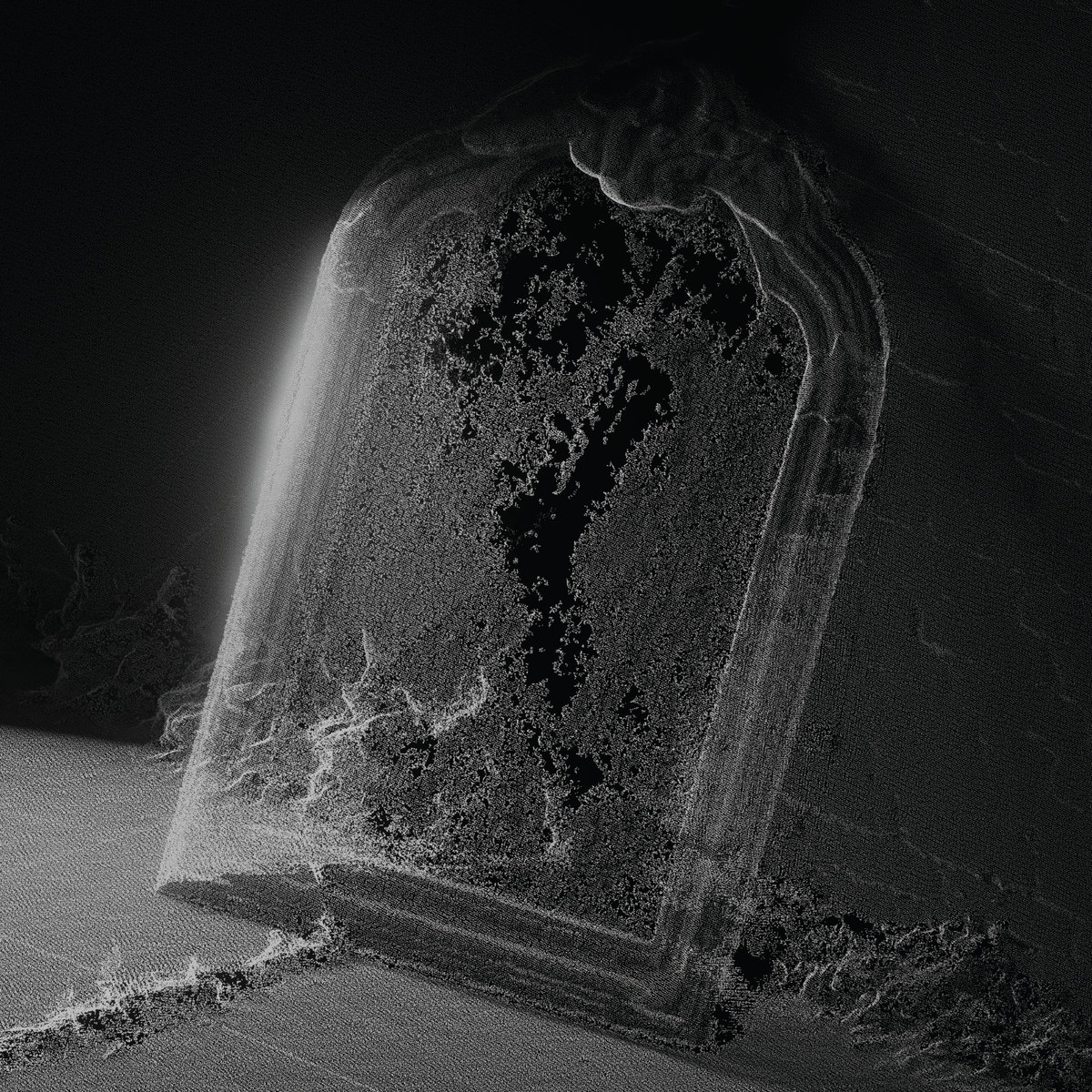
Visible Cloaks – Paradessence (RVNG Intl)
On their first album in nine years, this ambient duo still occupy their own serene frequency
Visible Cloaks, the Portland duo of Spencer Doran and Ryan Carlile, exist in a universe not unlike Oneohtrix Point Never, with one foot in the world of modern composition and the other in gleaming sound design. Paradessence is their third album and first in nine years. There have been a few collaborations in the interim, and some of the talented people they’ve worked with — plus a few new ones — show up here: Motion Graphics (“Disque”), Yoshio Ojima and Satsuki Shibano (“Shapes,” “Thinking”), and Ioana Șelaru (“Intarsia”).
Plucked harps, kotos, and thumb pianos swirl around the stereo field through a haze of droning synthesizers as repeating musical phrases rise and fall. Strings enter the scene and evaporate into digital mist. The album’s most distinctive track is the closing “System,” which features Componium Ensemble (aka Doran working with virtual chamber instruments). Paradessence is a contemplative, occasionally mesmerizing work that seems content existing in its own liminal space.
—
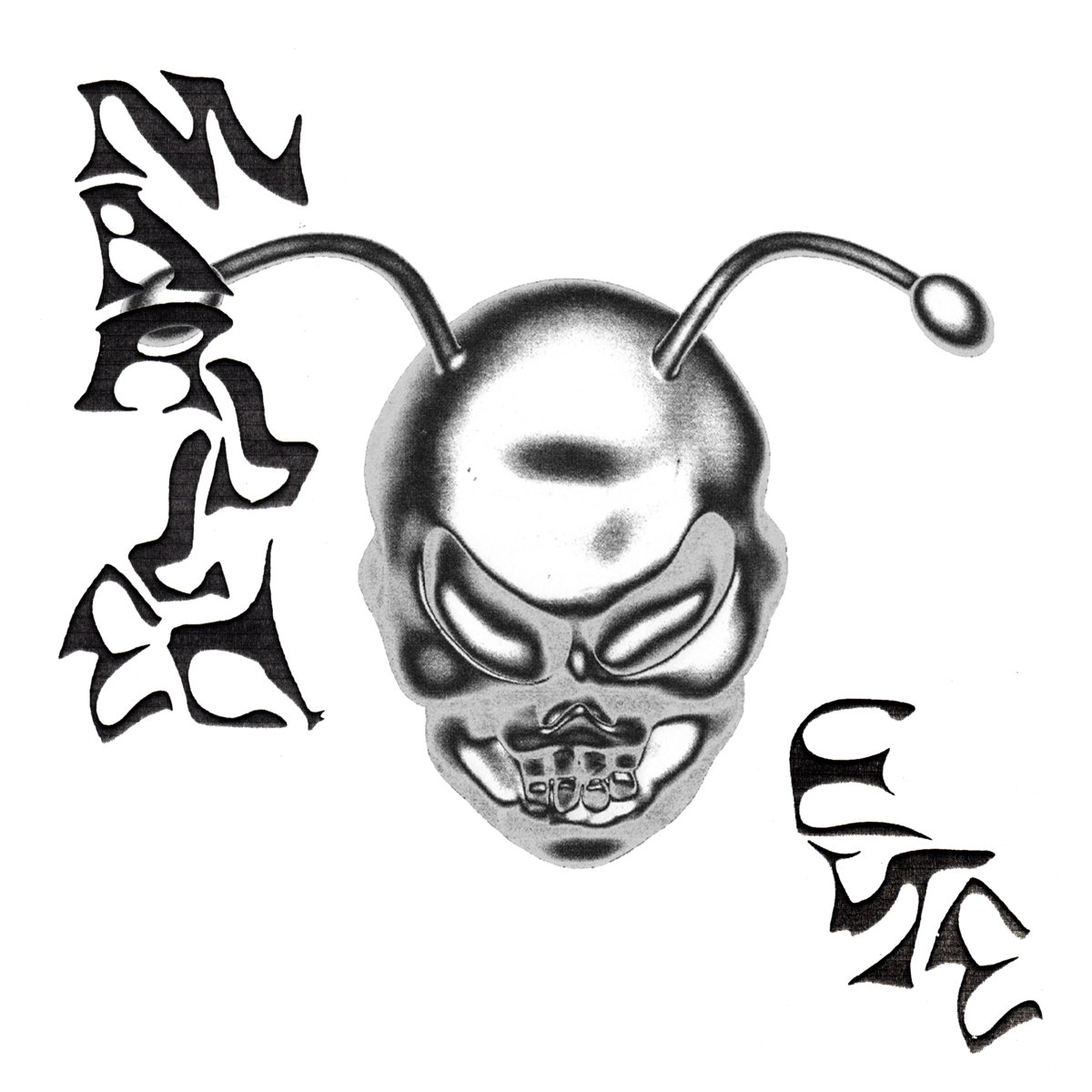
Marbled Eye – Forever (Digital Regress)
A dark, driving EP built for increasingly bleak times
Marbled Eye are the Bay Area’s best Australian dolewave punk band. They’re not actually from Down Under, they just sound like they could’ve sprung out of Melbourne in 2011, with pounding motorik drumming, guitars that favor stabby leads over power chords, a chassis of eighth-note bass played high on the neck, and Chris Natividad and Michael Lucero’s melodically shouted vocals, while everything gets occasionally doused in harsh effects.
Like 2024’s Read the Air, this EP is snarling, sneering, pitch-black garage punk perfectly in tune with our dystopian times. “Darkness came and no one noticed,” Natividad observes on “Negative Outlook,” the most immediate of these six songs, but Marbled Eye are doing their best to make sure we all pay attention.
—
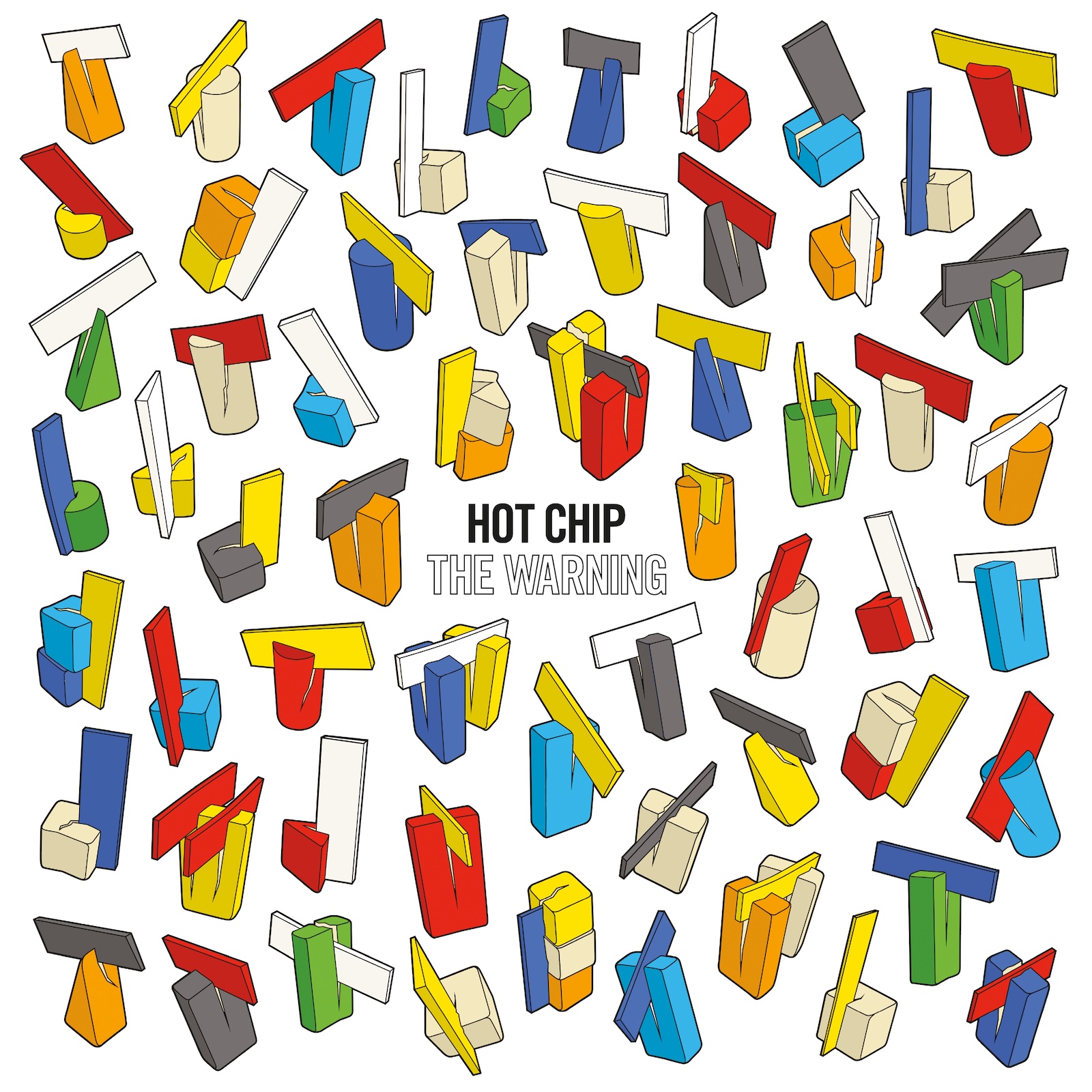
INDIE BASEMENT CLASSIC: Hot Chip – The Warning (DFA/Astralwerks, 2006)
Let’s celebrate the my favorite album of 2006 on its 20th birthday
“Laid back? We’ll give you laid back!” When Hot Chip started out, they seemed more like a novelty than anything else: five nerdy Brit dudes making charming, mid-fi synthpop that showed equal love for Prince, Bonnie ‘Prince’ Billy, and hip hop. Their debut, Coming on Strong, was fun but undercooked and perhaps a little too easygoing for its own good.
Hot Chip addressed those criticisms directly on the first single from their second album, one of the biggest level-ups of the last 20 years. “Over and Over” was anything but laid back, a celebration of repetition — “like a monkey with a miniature cymbal” — that became one of the bangingest bangers of the mid-’00s and still sends crowds into a sweaty frenzy. And that was just the start.
Overflowing with ideas, melody, and humor, The Warning had it all: killer singles (“Over and Over,” “Boy From School”), deeply moving slow jams (the affecting “Look After Me,” arguably the album’s best song), bounce-inspired glitch-outs (“Tchaparian”), and white-boy funk (“Arrest Yourself”). Unlike much of the indie dance of the era, these songs feel distinctly homemade and British, which keeps The Warning off the shelf at the Indie Sleaze Museum.
My favorite album of 2006, this is the sound of real live people playing — not programming — synthesizers, and that human element still shines through.
The Warning, along with its two great follow-ups Made in the Dark and One Life Stand, are getting their first vinyl pressings since their original release (and in Made in the Dark‘s case, its first-ever vinyl release). Pre-order in the BV shop.
—
Looking for more? Browse the Indie Basement archives.
And check out what’s new in our shop.
THE MOON & THE MELODIES: 12 SONGS FEATURING ELIZABETH FRASER